


Sunday City: Life RolePlay
4.52.08K Reviews
App Specs
- Version
- 1.14.1
- Updated On
- License
- Free
- Downloads
- 5,000,000+
- Developer
- KEFIR!
- Categories
- Simulation
- Platform
- Android
Screenshots






 Analysis by AppCompare
I judge a life-simulation game less by how many things it promises and more by whether I can settle into a routine that feels like my own. In Sunday City: Life RolePlay, the draw is building a character’s place in a busy city: choosing what to do, meeting other players, and moving between everyday activities and missions. That makes it a different sort of escape from a simple score-chasing game, though it works best if you enjoy making your own fun rather than expecting a tightly directed story.
A city built around choosing a role
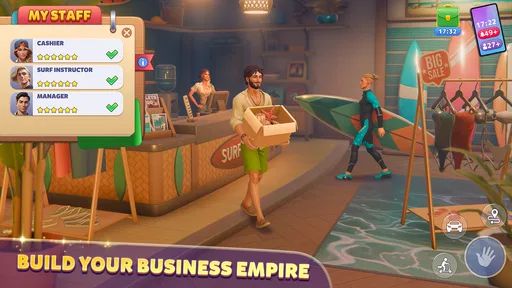
The central appeal is the combination of role-playing and city life. You make a character, take on work and activities, and share the setting with other players. Rather than treating the city as a backdrop for a single objective, the game invites you to imagine a routine there. I like that focus because it gives even ordinary actions a little context: a job can be part of the persona you are playing, and a conversation can turn a short visit into a social session.
That freedom also asks something of you. If you need a clear campaign that constantly points to the next chapter, an open-ended life simulator may feel loose. I would approach Sunday City with a small personal goal—try an activity, meet up with a friend, or spend a session exploring—rather than waiting for the game to provide one perfect path.
How the routine works in practice
When I first launched Sunday City: Life RolePlay, I was greeted by vibrant graphics and a bustling cityscape. The game does a great job of pulling you in with its colorful visuals and detailed environments. You can immediately feel the effort put into making the city feel alive.
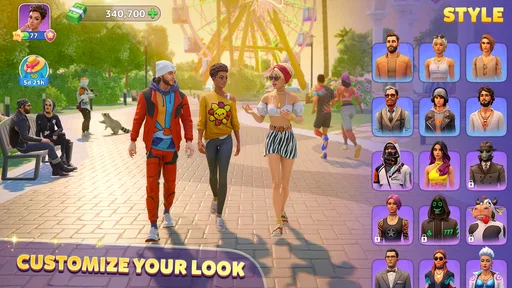
Jumping into the gameplay, it’s all about living the life you’ve always dreamed of—or maybe didn’t even know you wanted! You start by creating your character, and the customization options are pretty decent. From hairstyles to clothing, you can make your avatar as unique as you are.
The game focuses on role-playing elements, where you can take on various jobs, interact with other players, and participate in city life. It’s like a sandbox, but with specific goals and missions to keep things interesting. Whether you’re working at the local café or diving into more adventurous career paths, there’s always something to do.
For a more satisfying first session, I’d treat character creation as the start of the role-play rather than a menu to rush past. Pick a look and an everyday identity you can remember, then try an activity that fits it. That gives your choices a thread, even if you only have a short time to play. If you are trying the game with a friend, agreeing on a simple shared plan before you enter can make the open-ended city feel less aimless.
Worth Reading Before You Choose

Baby Panda World Brings Quick Play to Modern Phones, but Its Game Library Feels Busy

ESPN’s Live Game View Makes Following Close Games Easier

QuizzLand Review: A Good Fit for Short Trivia Breaks, Not Every Player

Basketball Stars: Multiplayer Is Fast, but Can It Recover When Matches Go Wrong?

WEBTOON Turns Phone Updates Into a Better Reading Routine

Link to Windows Runs on Shared Habits, Not Social Feeds
The missions provide another route when you do want direction. I would use them as a way to break up free-form play, not as a checklist that must be cleared in one sitting. A task can give a session a beginning and an end, while the broader role-play leaves room to return later with a different plan. That balance is useful for players who like options but still want a nudge toward what to do next.
Social play has its own rhythm
One of the standout features of Sunday City is its emphasis on social interaction. You can chat with other players, form groups, and even engage in community events. This makes the game feel more connected, and it’s a blast if you enjoy playing with friends or making new ones online.
There’s a chat feature embedded right within the game, and it’s pretty intuitive. You can easily switch between public and private chats, making it simple to coordinate with friends or dive into lively city discussions.
In practice, social play is most rewarding when you give it a little structure. A quick private conversation can help friends decide where to meet or what kind of role-play to try, while public chat is better suited to seeing what the wider city is talking about. I would not treat either channel as a guarantee of a particular kind of session: other players bring their own pace and preferences, so flexibility matters.
This is also where I’d be thoughtful about time and attention. A lively shared world can make a quick check-in stretch longer than planned, especially if a conversation leads into another activity. If you prefer a completely private, pause-anytime game, a social simulator may not be as relaxing as a solo life sim. Sunday City’s appeal is partly that the city is shared, and that comes with less control over the mood of a session.
Missions help when you want direction
If you’re someone who needs structure, Sunday City doesn’t disappoint. The missions are varied and often quirky, adding a layer of humor to your everyday city life. From helping a lost cat find its way home to organizing a local festival, the tasks are designed to keep you engaged.
The challenges offer a nice balance of difficulty, ensuring you’re not just cruising through without any effort. It keeps you on your toes, which is crucial for maintaining long-term interest in the game.
For me, the practical value of missions is not simply that they add more things to do; they help answer the familiar question, “What should I do when I log in?” I’d start with a task when I have no plan, then switch to a job or social activity once I have a clearer idea of the mood I want. That is a useful way to keep the game from feeling like an unstructured city tour.
There is a trade-off, though: players who want a deep, continuous narrative may find a set of individual activities less compelling than a story-led role-playing game. The missions give play some shape, but the main attraction remains the mix of city routines and player interaction. I see them as helpful prompts, not a substitute for a single dramatic plot.
Visual atmosphere and session comfort
Visually, the game is a treat. The developers have done an excellent job in crafting a world that’s both stunning and immersive. The sound design complements the visuals perfectly, with ambient city noises and a catchy soundtrack that changes based on your location in the city.
Whether you’re strolling through the park or hanging out in the bustling city square, the audio-visual elements work together to enhance the overall experience.
That atmosphere matters most during the quieter stretches between tasks. A city feels more inviting when moving through it is part of the pleasure, rather than merely a route to the next objective. If you are playing in a shared space or prefer a quieter session, lowering or muting audio on your device is a simple way to make the experience fit the moment; the visual setting and social choices are still the main reasons to spend time there.
As with any mobile game, I’d also think about the kind of session you want before opening it. It suits a relaxed break when you have room to explore or chat, but it is less ideal if you need something that can be picked up and put down instantly without losing your place in a conversation or activity. The best use is a little unhurried time, not necessarily a long marathon.
Free to start, with purchases to consider
Now, let’s talk about the dreaded topic of in-app purchases. Yes, they exist, but they’re not overly intrusive. The game is pretty generous with its currency, and while spending real money can speed things up, it’s not necessary to enjoy the game fully. For those who prefer a free-to-play experience, you can still have a lot of fun without feeling pressured to buy extras.
Sunday City is free to download, and its optional purchases range from $0.99 to $99.99 per item. I’d treat those purchases as a choice to weigh against how much you enjoy the game, not as a requirement for deciding whether the social role-play suits you. In particular, I’d spend time with the core routine first; only consider paying once you know what you want from the experience and whether an optional item would genuinely improve it for you.
The game is developed by KEFIR, and its current version is 1.9.1. It has a 4.5 average from around 22,000 ratings, with more than a million installs. Those figures suggest that plenty of players have tried it, but they do not tell me whether its particular mix of open-ended play and social interaction will match your taste. The useful question is whether you enjoy shaping a session yourself.
Its Teen age rating is worth keeping in mind if you are choosing a game for a younger player or sharing a device. Since the experience includes communication with other players, I’d approach public chat with the same common sense I use in any online space: keep personal details private, and use the available chat options deliberately. That is a sensible habit, not a reason to avoid social play altogether.
Where Sunday City fits among life simulators
Compared with a conventional single-player life simulator, Sunday City puts more weight on sharing the world and creating moments with other players. A solo alternative is a better fit if you want to control every interaction, follow a more personal story, or play without depending on who else is around. On the other hand, a pure social hangout may offer fewer reasons to try different roles or follow tasks. Sunday City sits between those approaches: city activities and missions provide prompts, while its multiplayer side gives the setting a less predictable feel.
That middle ground is the key trade-off. A friend who enjoys improvising and chatting may get more from the same session than someone who treats games as a sequence of objectives. I would recommend it to players who like character customization, casual role-play, and a city they can revisit with different plans. I’d suggest a more focused story game to anyone who wants a strong plot, and a strictly solo simulator to anyone who dislikes online interaction.
For an ordinary evening, I can picture opening the game after dinner with a friend, deciding on a simple role for the session, and using a mission if we need a starting point. If the conversation and city activity are enjoyable, we can keep playing; if not, there is no need to force a long session. That low-pressure approach makes the open format easier to enjoy and keeps the game from becoming another list of chores.
Sunday City is a simulation game for Android with a minimum operating-system requirement of version 7.0. It was released on November 5, 2025, and the Teen rating helps set expectations for its intended audience. I’d check that your device meets the requirement before installing, then give the game time to show whether its combination of social play and everyday city activities clicks for you.
Who is likely to enjoy it
Overall, Sunday City: Life RolePlay is a delightful dive into a vibrant world where you can live out various roles and make new friends along the way. It’s perfect for those who enjoy social games with a wide array of activities.
Whether you’re in it for the role-play aspect or just want to unwind in a lively digital city, this game has something to offer. So, if you’re ready to start your new life in Sunday City, go ahead and give it a download. You might just find yourself hooked!
My recommendation is more specific: try it if you like making a character, choosing a loose goal, and seeing where a shared city takes you. Give it a pass if you want a tightly scripted campaign, a reliably quiet solo experience, or a game that never asks you to make your own plans. For me, its best quality is the chance to turn a handful of city activities into a small social story of your own.
Pros
- Immersive open-world environment.
- Customizable character options.
- Engaging role-play scenarios.
- Frequent updates and events.
- User-friendly interface design.
Cons
- Requires constant internet connection.
- Can be resource-intensive on devices.
- Limited offline gameplay options.
- In-app purchases can be pricey.
- Occasional server connectivity issues.
FAQs for Sunday City: Life RolePlay
What type of gameplay can I expect in Sunday City: Life RolePlay?
Sunday City: Life RolePlay offers an immersive open-world experience where players can create and customize their characters, engage in various professions, and interact with other players. The game emphasizes role-playing and social interaction, allowing players to live out different scenarios and explore numerous plotlines.
Is Sunday City: Life RolePlay free to play, or are there in-app purchases?
Sunday City: Life RolePlay is free to download and play. However, it includes in-app purchases that offer cosmetic items, character boosts, and additional content that can enhance the gaming experience. Purchases are optional and are not necessary to enjoy the core gameplay.
Can I play Sunday City: Life RolePlay offline, or is an internet connection required?
An internet connection is required to play Sunday City: Life RolePlay. The game focuses on real-time interactions with other players and online events, which necessitates a stable internet connection to fully experience all features and multiplayer elements.
What devices are compatible with Sunday City: Life RolePlay?
Sunday City: Life RolePlay is available for both Android and iOS platforms. It requires Android 6.0 or later and iOS 11.0 or later. It's recommended to have a device with at least 2GB of RAM for optimal performance, though higher specifications will improve gameplay experience.
Are there any community or support features available in Sunday City: Life RolePlay?
Yes, Sunday City: Life RolePlay includes robust community and support features. Players can join forums, participate in community events, and receive help through in-game support channels. This fosters a collaborative environment and ensures players can get assistance when needed.


